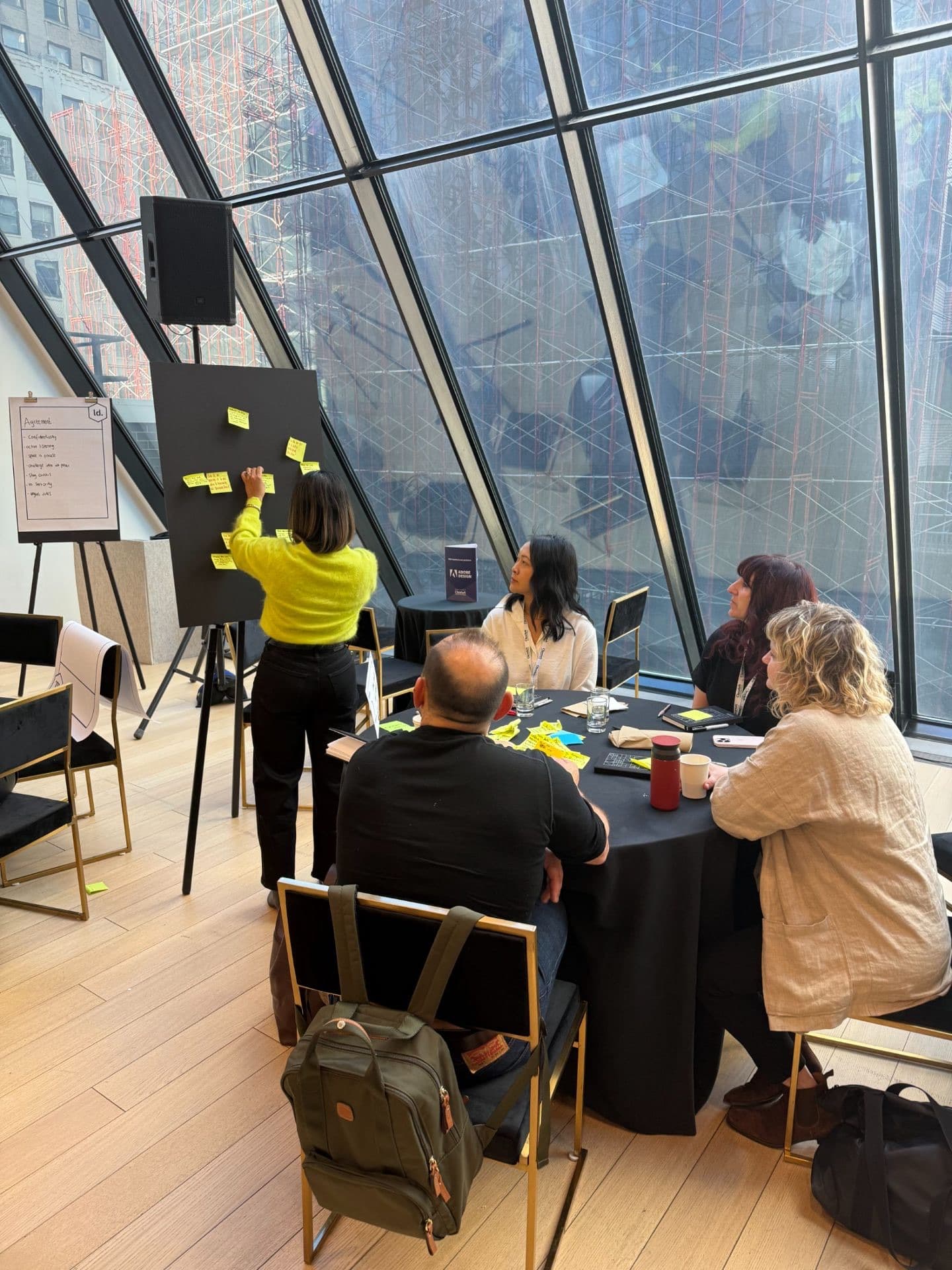
I work with leaders building products, experiences, AI-enabled ways of working, and new capabilities that have to earn a place in customers' lives and in their teams' daily work.













From Share Of Attention To Share Of Life
Whether you're asking a customer to make room for a product in their life or a team to make room for a new technology in their work, adoption is never just a launch. It runs on trust, on changed behavior, and on a value exchange that feels fair both ways. AI keeps moving what people expect, and those expectations are outrunning what most organizations offer. Closing that distance comes down to two things.
The experience: the value your product or service provides that makes it indispensable, and what it asks of people in return.
The operating model: whether the organization is architected and run to close the gap between its ambitions and its ability to deliver on them.

People don’t make decisions based on brand messaging alone. They’re checking Reddit, group chats, reviews, creators, and LLMs that don’t always agree with each other. You have less control over how people form opinions and decide what’s worth choosing.
Reach can get you seen, but it doesn’t guarantee relevance over time. Experience-Led Growth is about providing enough value that people return because they want to.

What people want from a product or service now moves across categories faster than most organizations are built to respond to. What feels novel quickly becomes baseline.

People are more aware of what they’re giving up now: their data, time, attention, and trust. If you’re asking for any of those things, the value in return has to be obvious in the experience itself.

An organization's real advantage sits in what its people know: judgment built over years, context that never got written down. AI can only work with what has been captured, and most of it hasn't been.

Buying a tool or rolling it out doesn't change how great work happens. People need a reason and context to use it well, and clear evidence that it improves the work.

AI tools are built for one person at a time, but real work happens between people. Connecting the tools, data, and teams costs more than the tools themselves, and that cost grows with the stack.

Technology requires organizations to build a continuous practice of experimentation, learning, and evolution, so they can make deliberate choices about what to try, test, and embed.
Ambition Sprint
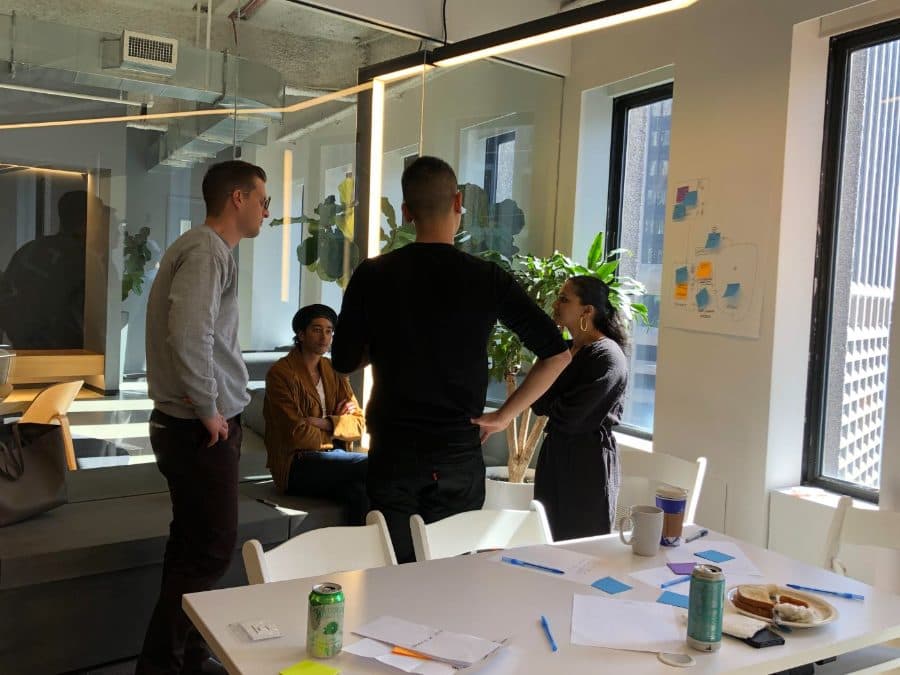
Turn a market, customer, or technology shift into a defined opportunity your team can act on.
A focused 6-8 week engagement for leaders evolving what they offer customers, putting AI to work in ways that strengthen their expertise, or building a new capability.
Customer expectations, markets, and technologies move faster than most organizations can absorb. The work is understanding what a shift means for your customers, your team, and the value you are positioned to create.
AI adoption is behavior, not deployment. Tools become valuable when they fit real work, draw on the expertise already inside the organization, and give people a clear reason to change how they operate.
We start by getting close to the problem: what customers and teams need, what the market is signaling, what the organization already knows, where that knowledge lives, and where the current experience or workflow falls short. Then we frame the opportunity, make possible directions tangible, test what is worth pursuing, and identify what needs to become shared practice.
You leave with a defined opportunity, a shared point of view, concepts or prototypes to react to, practical frameworks, and a prioritized path forward.
This is a good fit if:
What comes out of it: A clearer opportunity space, a stronger strategic direction, and a concrete set of concepts, priorities, or prototypes to help your team move forward.
Tailored based on your product maturity and project scope
Ecosystem Audit & Touchpoint Journey Maps. Mapping the full experience and opportunity across Customer, Company, Category, and Context to pinpoint where value is breaking or falling short.
Consumer Mindset & Stakeholder Discovery. Targeted interviews and synthesis that surface what your users actually need, care about, and expect.
Directional Concepts & Interactive Prototypes. Visual concepts, swipes, and prototypes that bring fresh experience ideas and digital utility to life.
Experience-Led Growth Strategy & Prioritized Roadmap. A clear North Star vision and actionable strategic framework aligning product, growth, and leadership teams on what to build and test next.
Weeks 1 to 2: Discovery. Stakeholder & consumer discovery, 4Cs ecosystem audit & journey mapping.
Weeks 3 to 4: Analysis. CX gap analysis & white space identification.
Week 5: Concepting. Directional prototyping & visual concepting.
Week 6: Roadmap. Experience-led growth strategy & prioritized roadmap readout.
1:1 Strategy Sessions

A focused session for leaders working through a product, customer experience, growth, or AI-related decision.
Sometimes you don't need a full sprint. You need a clear outside perspective, a thoughtful working session, and enough room to think through a problem without rushing to the wrong answer.
These sessions are for leaders pressure-testing a direction, working through friction in an existing experience, evaluating a product or go-to-market shift, or making sense of what a technology or customer-behavior shift requires. In sixty minutes, we get to the heart of the issue and identify a practical next step.
In 60 minutes, we'll get to the heart of the issue, identify what matters most, and map out a practical next step.
- Pressure-testing a roadmap, product shift, or go-to-market direction
- Working through friction in a current customer experience
- Thinking through adoption, retention, or value questions
- Getting unstuck on an AI, experience, or growth decision
- Sharpening your point of view before making a move
What you get: A 60-minute live working session and a concise recommendation memo with key observations, priorities, and next steps.
Book a Session →What Clients Say
Case Studies
A few examples of what this looks like in practice, from rethinking customer value to shaping products, experiences, and AI-enabled services.
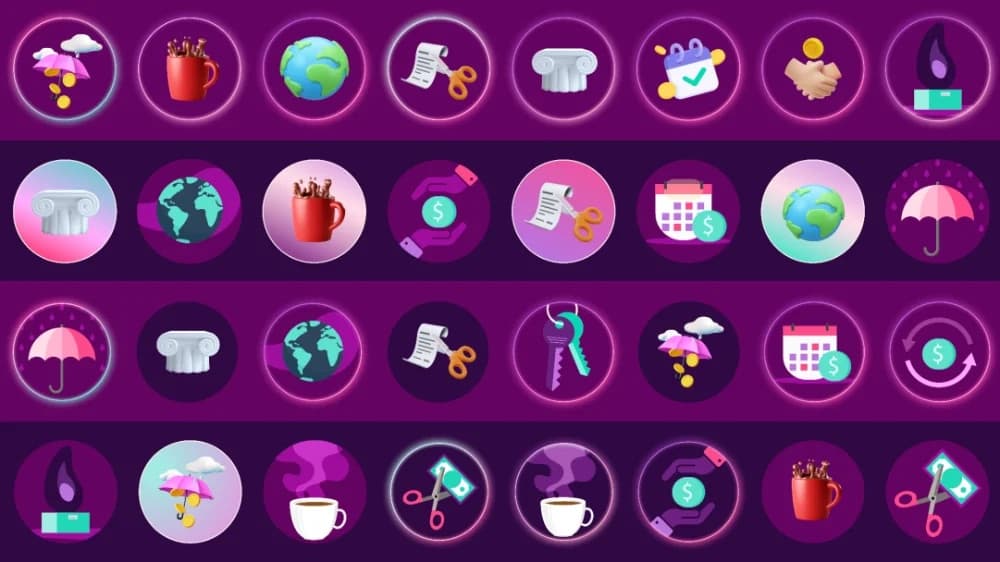
Rethinking how a banking app could create more value toward customers' financial goals between transactions, without relying on dark patterns.
“Ariba was an incredible partner as our teams collaborated and co-created on a strategy for deepening customer relationships within the Ally app. She helped us think in terms of how to bring real customer value in a space that is often purely transactional, delivering exciting concepts my team could pick up and run with.”

Exploring how an iconic brand could evolve beyond legacy expectations into a more adaptive, everyday digital experience.
“Ariba's superpower is her curiosity and ability to connect emerging technologies with creative opportunities. She excels at understanding how new technologies can be applied in meaningful, innovative ways to create better customer and business outcomes.”
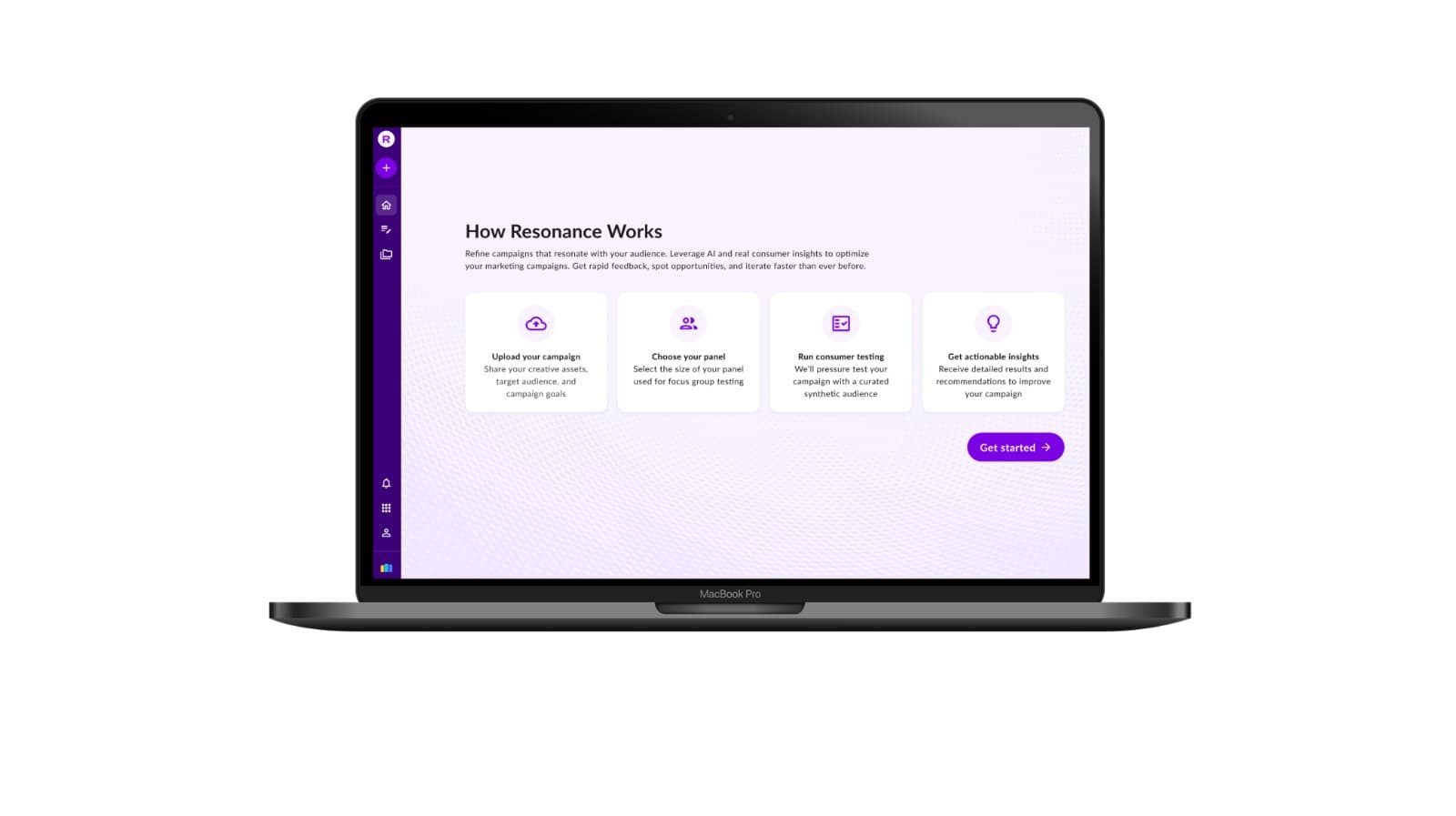
Working from enterprise user research through product strategy, positioning, GTM and prototype development for a new AI-native research platform.
“I worked with Ariba on an enterprise AI SaaS platform for researchers and creatives, from research through product strategy, user testing, and go-to-market. She could sit with potential customers, pull out what they actually needed, and turn it into a product direction. Customers, engineers, and executives all trusted her judgment.”
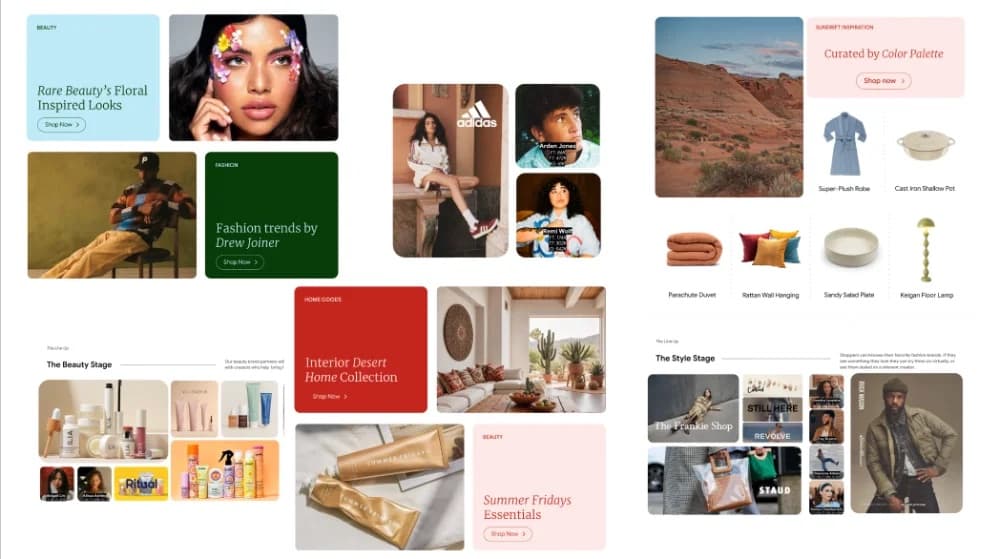
Exploring how generative AI could support creator-led commerce in a way that felt intuitive, useful, and native to the shopping experience.
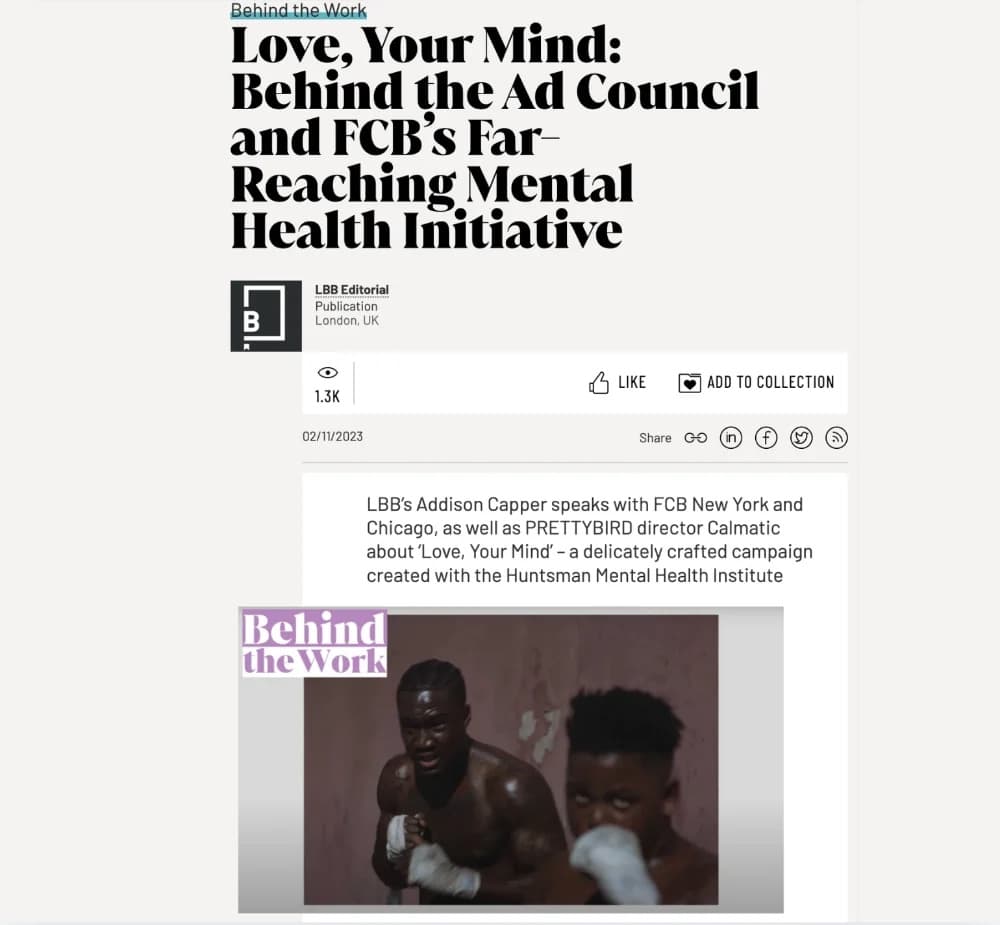
Working directly with communities to shape the digital experience for a $65M national mental health campaign to feel relevant, safe, and valuable.
“Ariba is passionate about solving problems and pain points by co-creating with people who are the most impacted. She is expert at applying design thinking and lean startup practices to a variety of projects and challenges, and is an empathetic listener able to distill insights and present to senior leadership with confidence.”
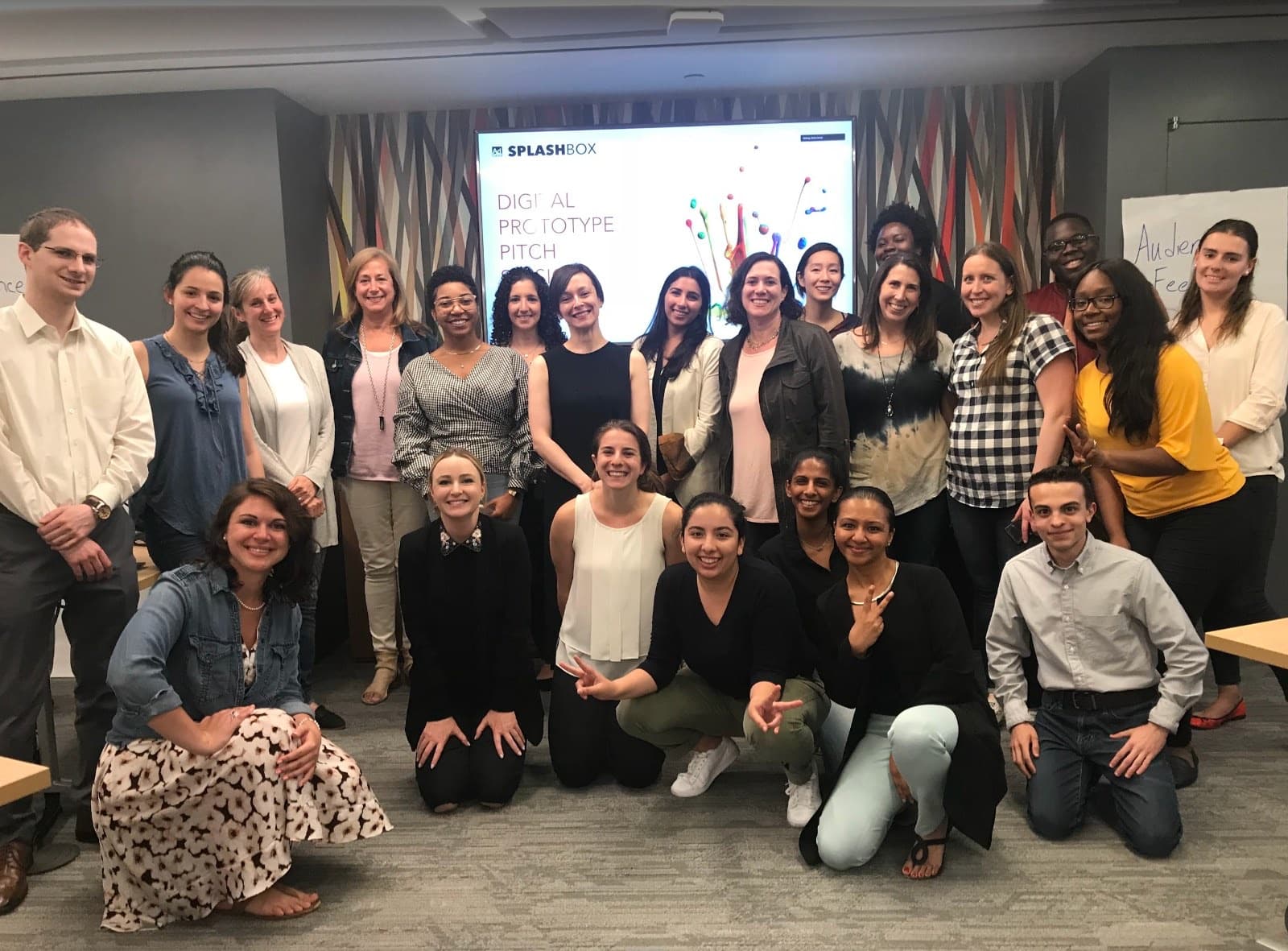
Building innovation and transformation functions that turn changing customer needs, new technology, and market opportunity into products, offerings, and work organizations can sustain.
“When tasked with leading transformation of our donated media model at the Ad Council, I turned to Ariba to co-create and reimagine the possibilities of such an ambitious exploration. Her curiosity, strategic thinking, and ability to start with a blank canvas paved new paths of opportunity across the organization, up through the C-suite.”
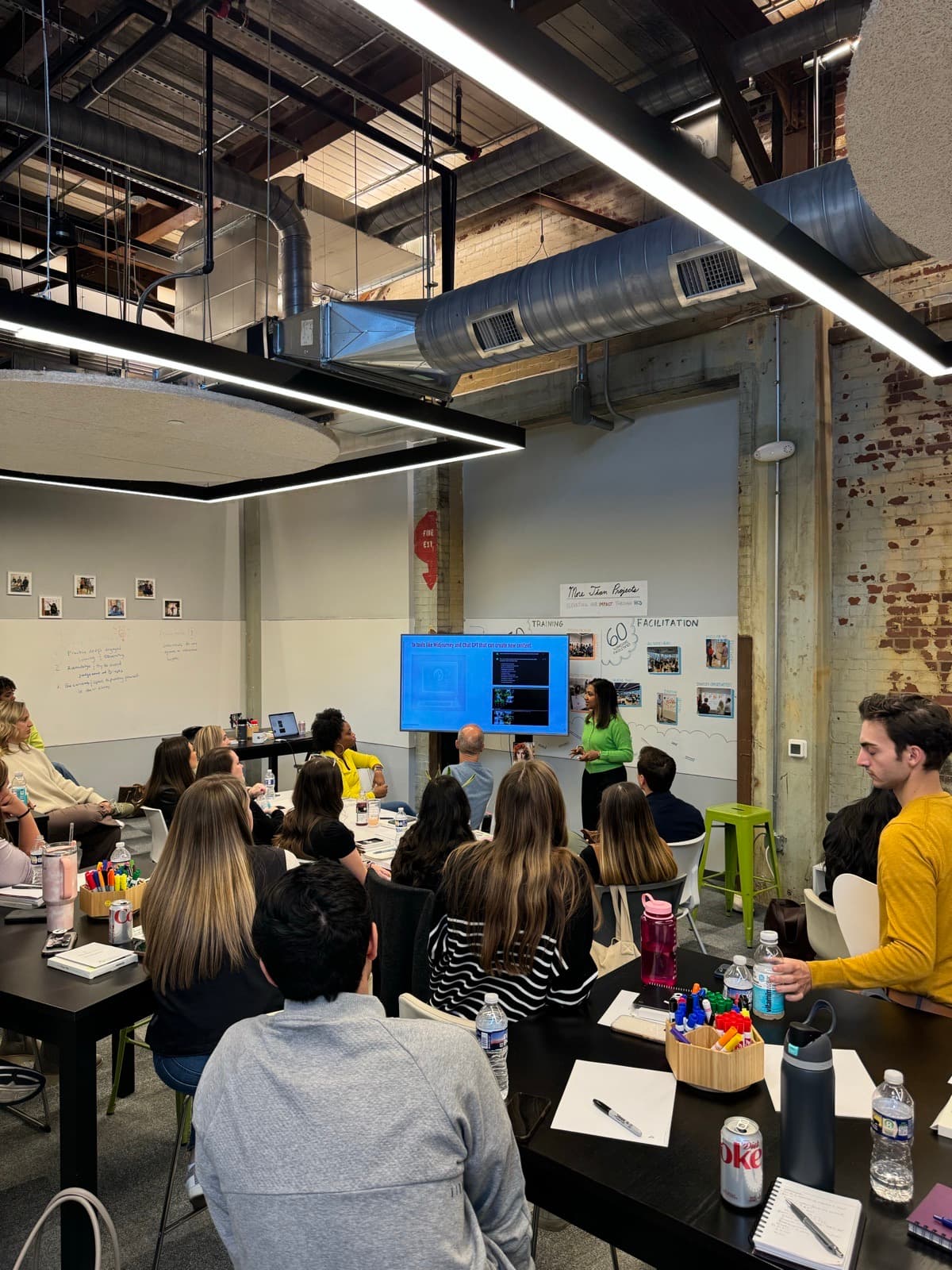
Building the conditions for organizations to explore, adopt, and create with new technology without losing judgment, trust, or strategic focus.
“"Ariba's superpower is her curiosity and ability to connect emerging technologies with creative opportunities. She excels at understanding how new technologies can be applied in meaningful, innovative ways to create better customer and business outcomes."”
Ready To Build Something Unmissable?
If you're thinking through a product, CX, AI, or growth question, let's chat